
How Arrest Warrants Work in Dukes County
A Massachusetts arrest warrant orders an authorized officer to arrest a named or described person and bring that person before the court. That is the order's whole job. The Edgartown District Court can issue one on a criminal complaint. Dukes County Superior Court can issue one after an indictment. The warrant must identify the person with reasonable certainty. It must also recite the substance of the offense. A prosecutor may tell the court the person will not appear unless arrested, and that showing is the practical reason a warrant follows instead of a summons.
Rule 6: How Massachusetts Courts Issue Warrants
Rule 6 of the Rules of Criminal Procedure governs summonses and arrest warrants in both District and Superior Court, Dukes County included. It fixes the warrant's form. It covers service. It also says what happens when a defendant fails to appear or cannot be served. State statutes add the rest: G.L. c. 276, § 21 and § 22 set out the authority to issue a warrant and the procedure around it.
Arrest Warrants: What They Contain
An arrest warrant repeats the case header. Then it adds the arrest order, and these are the fields a reader, a lawyer, or a Dukes County bail magistrate will want to see.
| Case or Docket Number | The court file identifier, for example 2434CR00123 |
|---|---|
| Person Named | The name or a description certain enough to identify the person |
| Substance of the Offense | The charge or charges recited from the complaint or indictment |
| Issuing Court and Date | The department that authorized the warrant and the date of issuance |
| Bail or Release Instruction | Any bail, recognizance, or detention entry recorded on the file |
| Service and Return | Who executed the warrant and when, once that appears in the file |
The Complaint and Show-Cause Path
Most Dukes County criminal cases begin with an application for a criminal complaint. A judge or clerk-magistrate then weighs probable cause. That standard means reasonably trustworthy information that would lead a prudent person to believe a crime occurred and that the accused committed it. A show-cause hearing can come first. It gives the accused a chance to be heard before any process issues. Afterward, the court picks between a summons and a warrant. A Superior Court warrant usually follows an indictment instead. Note: District Court handles many felony-level cases, so a Dukes County arrest warrant alone does not tell you which court keeps the file.
How Warrants Get Served in Dukes County
Authorized officers can execute criminal process on the island. Town police departments handle their own local cases. State Police troopers can execute state process, and sheriff's deputies serve criminal warrants when a court directs them. The Dukes County sheriff also handles civil process at a separate office in Vineyard Haven. Wondering who is actually looking for someone? Ask the court that issued the warrant, since that office controls the record and any recall.
| Agency | Service Role |
|---|---|
| Town police departments | Local arrests, citations, complaint applications, and execution of authorized process |
| Massachusetts State Police | Statewide process and the state fugitive program |
| Sheriff's Civil Process | Summonses, complaints, subpoenas, levies, judgments, and capias arrests |
| U.S. Marshals Service | Federal warrants in the District of Massachusetts |
What Happens After an Island Arrest
An island arrest starts with booking. A bail magistrate may then set bail at the police station. Release on bail or recognizance is not guaranteed. Without it, state law provides for transport to the issuing court or, when that court is not sitting, to the county jail and then to the next regular session. Before any release, authorized personnel check the statewide warrant system. They look for other outstanding Massachusetts warrants. That check belongs to the justice system, not the public. Even so, it is why an old Dukes County warrant can surface during an unrelated stop. The sheriff's overview of the jail and regional lock-up describes the facility that receives Dukes County arrestees.

The page covers custody functions only. It offers no public warrant search and no walk-in surrender window for Dukes County.
Arrest Warrants, Summonses, and Bench Warrants
Three paths lead to a courtroom. A summons, an arrest warrant, or a bench warrant can each start the process, and the difference matters in Dukes County when someone fails to appear.
| Comparison Point | Arrest Warrant | Summons | Bench or Default Warrant |
|---|---|---|---|
| What it does | Authorizes an arrest | Orders an appearance without arrest | Authorizes an arrest after a default |
| How it begins | Complaint or indictment | Application for a complaint | Missed appearance or unpaid amount |
| If ignored | Arrest is already authorized | A default may follow | Arrest is already authorized |
| First fix | Arrest and bail, or a court-approved appearance | Appear on the date | Recall, payment, or a new date |
A Search Warrant Is Not an Arrest Warrant
A search warrant is a different animal. It authorizes a search of described property, places, or evidence. It orders no one arrested. The papers and the supporting affidavit stay confidential between issuance and return, then become public afterward unless a court seals them. People sometimes see the phrase on a Dukes County docket and assume an arrest order exists. Read the event text, then ask the clerk whether the entry is a search warrant, a default, or an arrest order.
Handling an Arrest Warrant in Your Name
A lawyer can pull the docket, contact the prosecutor, and ask the court about a counsel-arranged appearance, a motion to recall, or another pre-arrest step. Dukes County publishes no standard walk-through form. The path runs through the court, not a jail window. Nobody should count on paying a fee at a counter and walking away clear. Only the issuing court can withdraw the warrant.
If a warrant names you: call a lawyer before you appear anywhere, because the court decides bail, custody, and recall, not the officer who serves the paper.
- Confirm the issuing court and docket number with the clerk.
- Ask whether the court permits a counsel-arranged appearance or requires an arrest first.
- Ask about bail, recognizance, and any recall or arrest fee that applies.
- Bring identification and case paperwork only if the clerk tells you to.
- Keep every receipt, docket entry, and notice after the matter clears.
Federal Arrest Warrants Follow a Different Route
Federal arrest warrants live on a separate track from anything in Dukes County state court. The United States District Court for the District of Massachusetts issues them. That court sits in Boston, Springfield, and Worcester. Dukes County has no federal courthouse of its own. To read a federal docket, you go through PACER or the clerk's office. PACER bills by the page, caps the charge for a single document, and waives small quarterly totals. Only the federal clerk, your defense counsel, or the U.S. Marshals Service can confirm a federal warrant for sure. The federal court divisional page lists each courthouse location and its counter hours for the district.
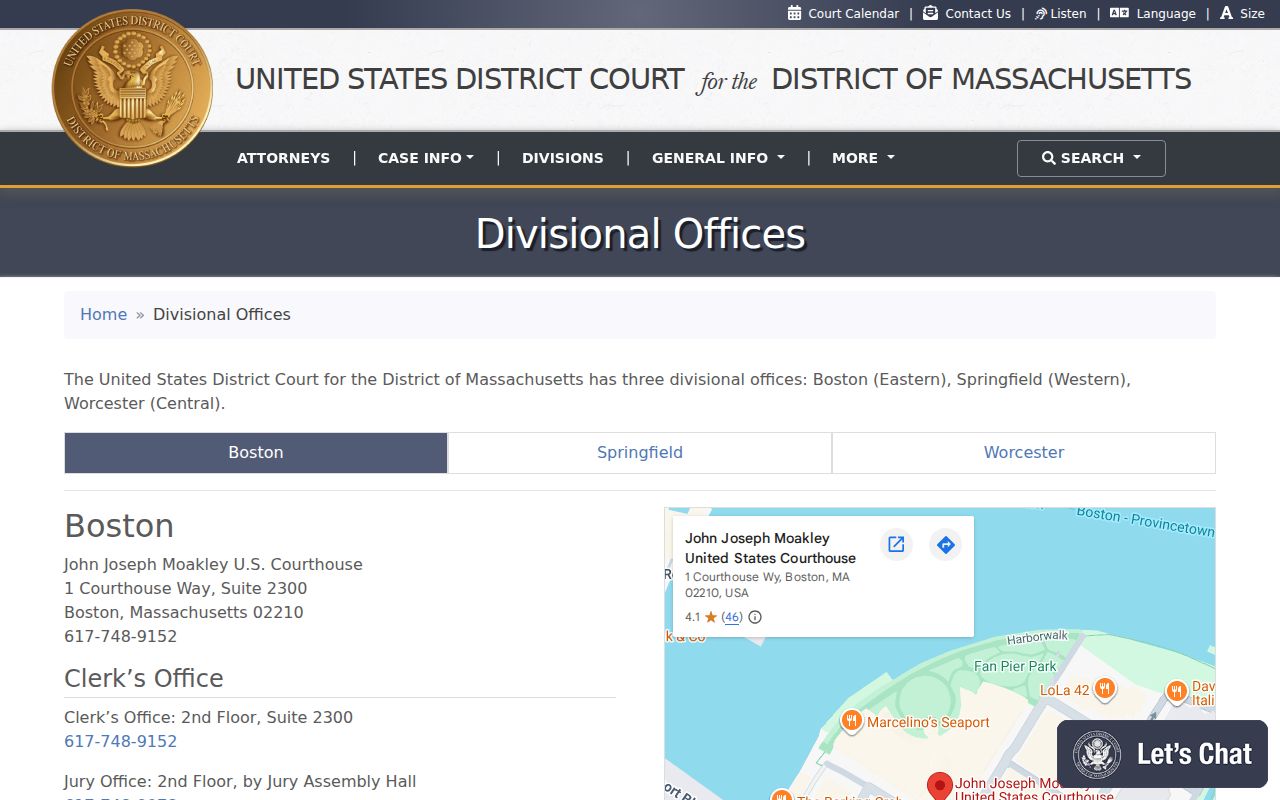
The federal docket fee structure explains what PACER charges, worth a look from Dukes County before you order pages.
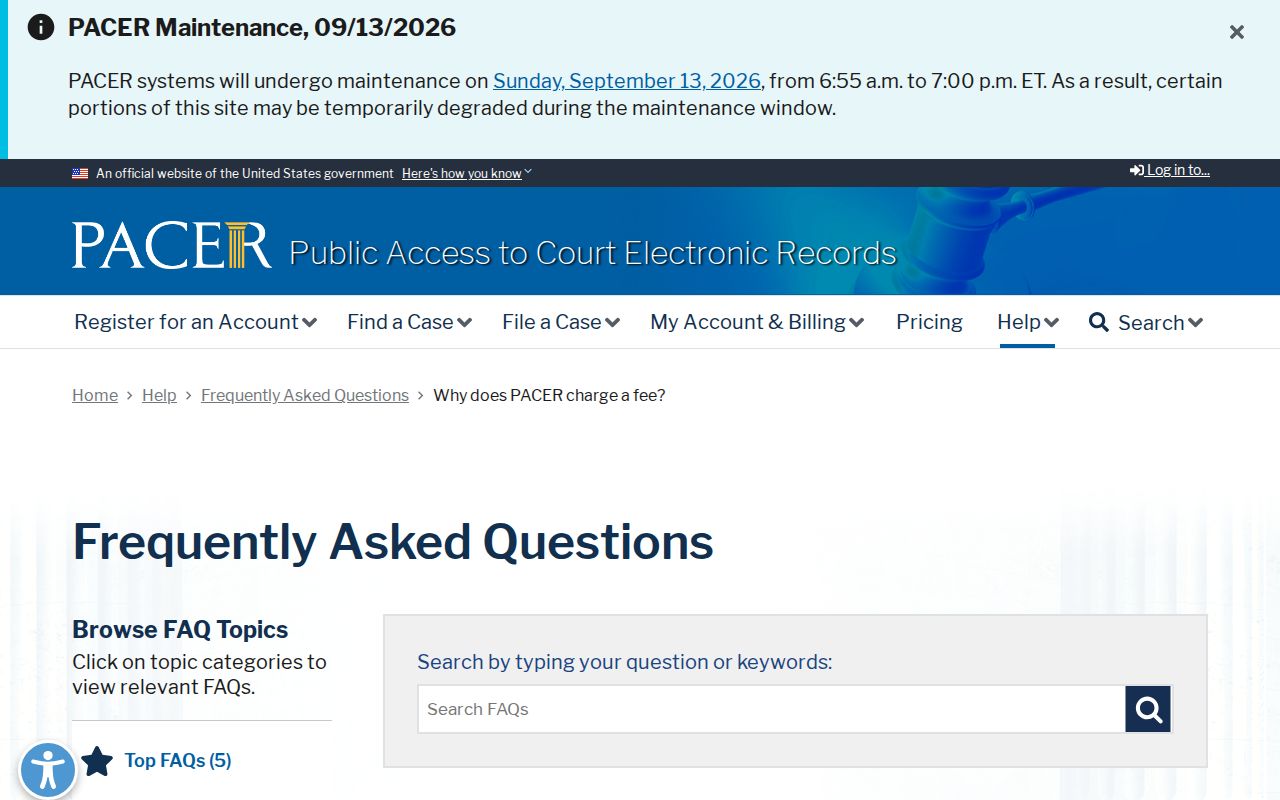
Neither page is a federal warrant list for Dukes County, and neither replaces a direct call to the federal clerk.